

Insulation Removal Is Sometimes the Right Call — and Sometimes an Upsell
Ripping out your attic insulation is the most expensive line an insulation company can add to a quote. Sometimes it’s genuinely necessary. Sometimes a top-up over what’s already there does the job for a fraction of the price. Here’s how to tell the difference — before you sign anything.
Book My Free InspectionCall (647) 507-4072
When removal is genuinely needed — and when it isn’t
Removal is the right call when…
- Mold or moisture damage — wet insulation doesn’t dry in an attic; it feeds mold and rots wood
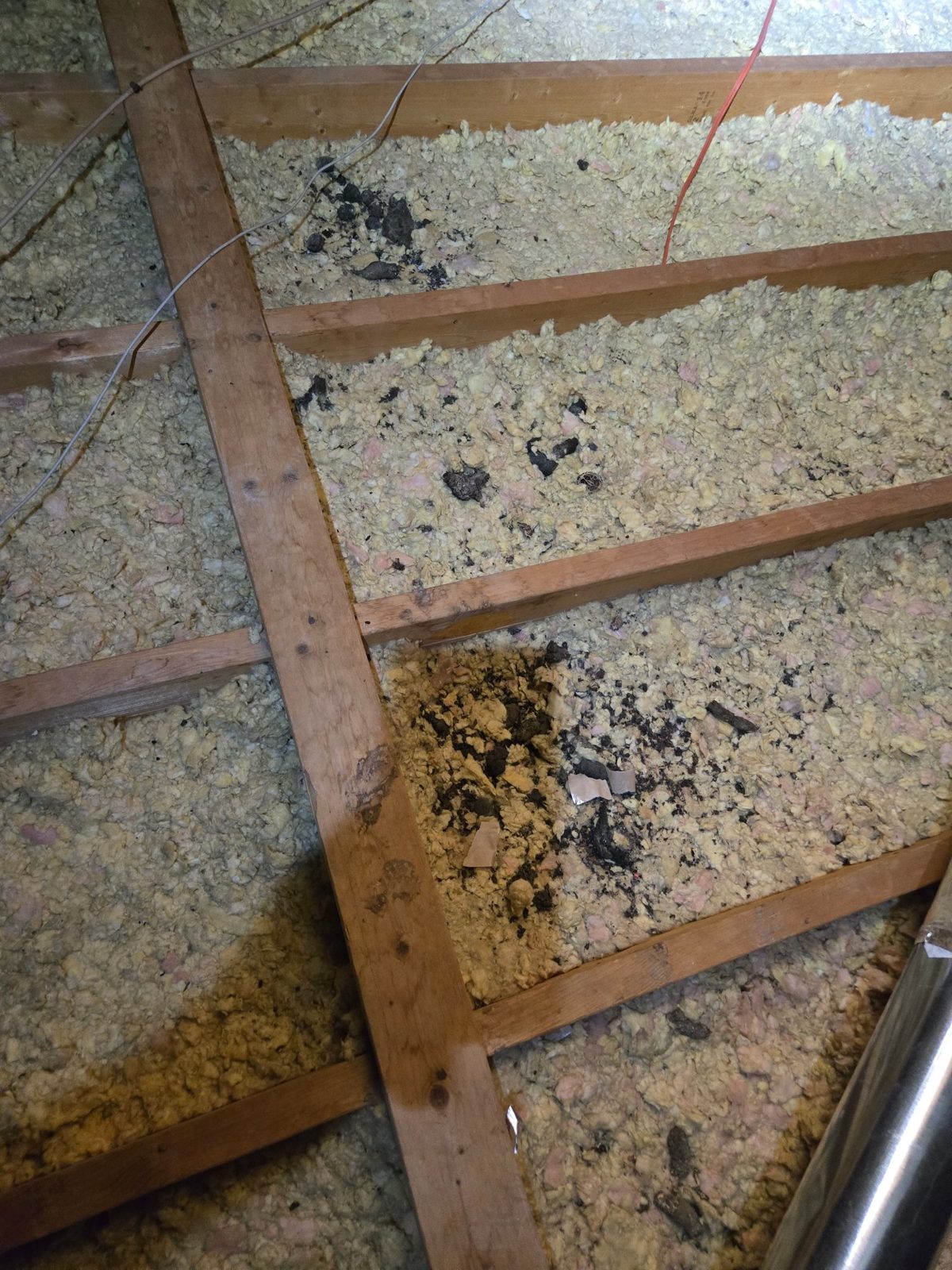
- Animal contamination — droppings, urine, and nesting from raccoons, squirrels, or mice make the material a biohazard (what animals do to attic insulation)
- Matted, flattened, or degraded material — insulation crushed to a fraction of its loft has lost the trapped air that made it work
- Fire or smoke damage — smoke-saturated insulation holds odour permanently
…and when a top-up is the honest answer
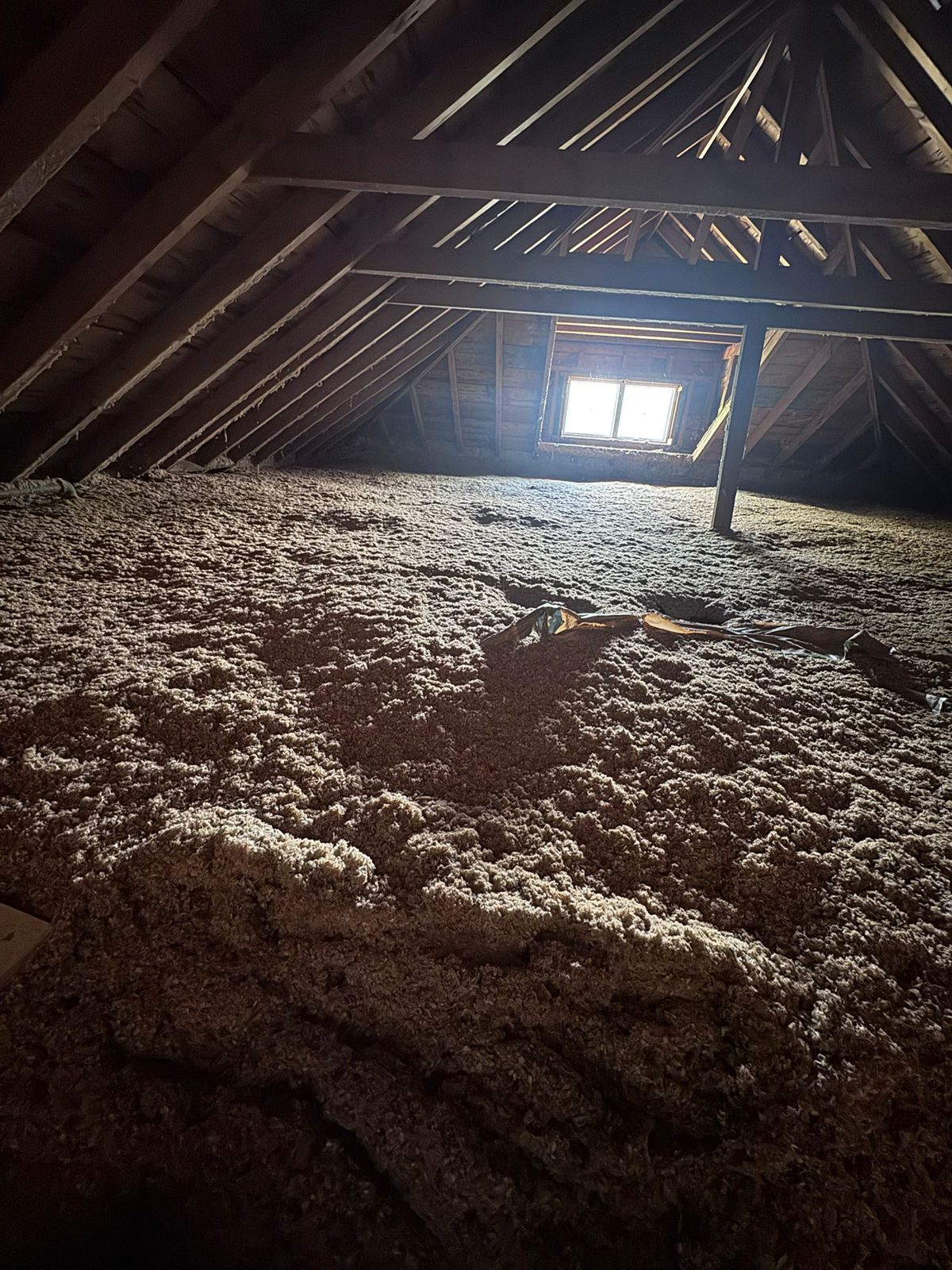
Dry, clean, uncontaminated insulation that’s simply not deep enough doesn’t need to leave your attic — new material blows right over it, and the old layer keeps contributing R-value.
In Churchill Meadows, a homeowner asked us about a full removal. The existing material was healthy — so we said no to the removal and did a same-day top-up to R-60 instead. The photos from your free inspection make this call for you, not a salesperson.
What a proper removal involves
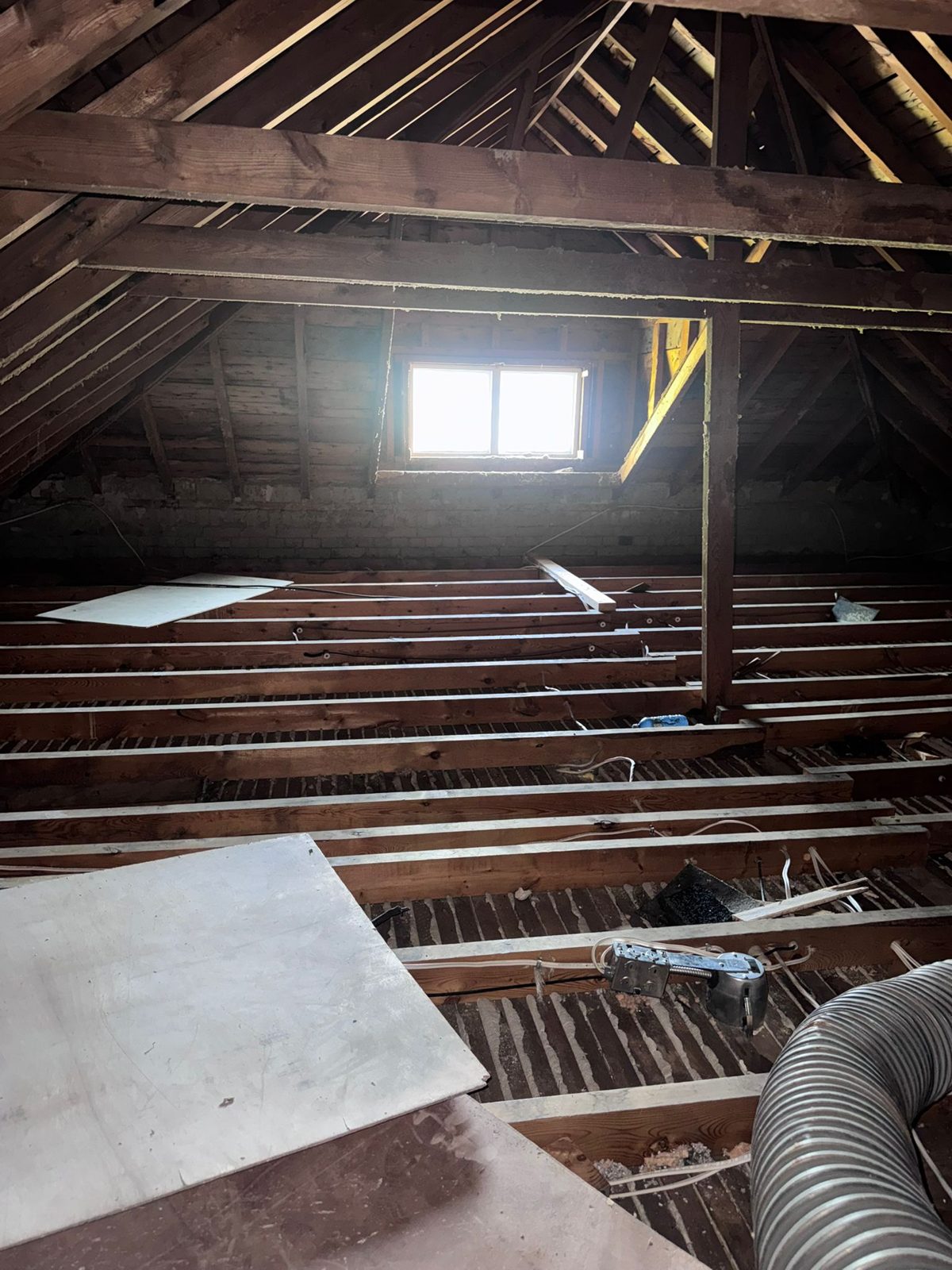
Bag-out, not blow-around. A commercial insulation vacuum pulls the old material through a sealed hose into bags outside the living space; what the machine can’t reach, the crew hand-bags in the attic. Everything leaves in sealed bags for disposal — nothing travels through your house loose.
HEPA-grade cleanup for contaminated jobs. Pest jobs don’t end when the bulk material is out: the attic gets a HEPA-grade cleanup and disinfection so what’s left behind is a clean deck, not a sanitized-smelling version of the same problem. That’s the standard we documented in the Erin Mills pest cleanup.
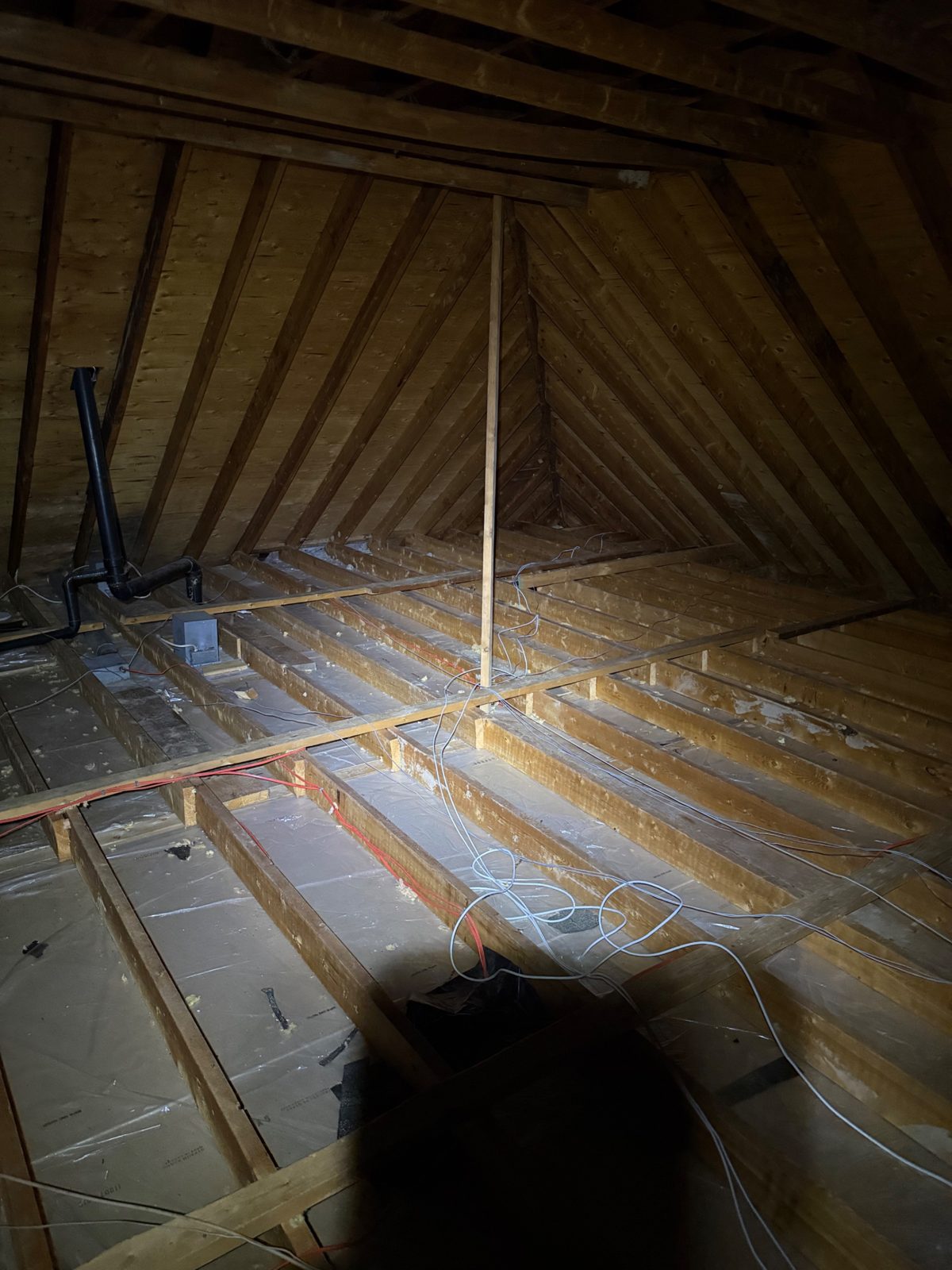
Then the rebuild — the whole point. A bare attic is full access to your ceiling plane, so we air-seal every penetration, set baffles at every rafter bay, correct the ventilation, and blow fresh insulation to R-60. See what a finished rebuild looks like on our attic insulation page.
Removal + rebuild can qualify for up to $1,250 in rebates
When the rebuild brings an under-insulated attic up to R-50 or better, Ontario’s home energy rebate program pays up to $1,250 (attics starting at R-12 or below; $1,000 for R-12–25, $800 for R-25–35). No energy assessment is required for attic projects — and we handle the paperwork. How the rebate works →
Rebates are offered through an Ontario home energy-efficiency rebate program. Confirmed Attics & Insulation is an independent participating contractor. Rebate amounts shown are maximums; terms and conditions apply, confirmed at your free assessment.
What drives the price of a removal
Attic size and access, the depth and type of the old material, contamination level (a pest cleanup involves protective-gear work and disinfection a clean bag-out doesn’t), and what the rebuild includes. We’ve broken down how attic work is priced — including why removal quotes vary so widely between companies — in our attic insulation cost guide. Every number we quote is flat, photographed, and covers the whole scope: removal, cleanup, sealing, and rebuild.
Insulation removal, answered honestly
How much does attic insulation removal cost?
Do I actually need my insulation removed, or just topped up?
What if my attic has vermiculite?
How do you get the old insulation out without filling my house with dust?
What happens after the removal?
Find out if you actually need a removal
The free inspection photographs what’s really in your attic — and if a top-up does the job, that’s what we’ll quote. The photos don’t lie either way.