

How Much Does Attic Insulation Cost in Ontario? (2026 Guide)
If you have collected two or three quotes for attic insulation in the GTA, you have probably noticed they can be thousands of dollars apart — sometimes for what sounds like the same job. That is not (always) someone trying to rip you off. It is usually because “attic insulation” covers two very different kinds of projects, and because the price is driven by five factors most homeowners have never been shown.
This guide breaks down how the pricing actually works in Ontario in 2026, using real projects we have documented — so you can read your own quotes intelligently.
The two kinds of attic job (and why one costs several times the other)
1. The top-up
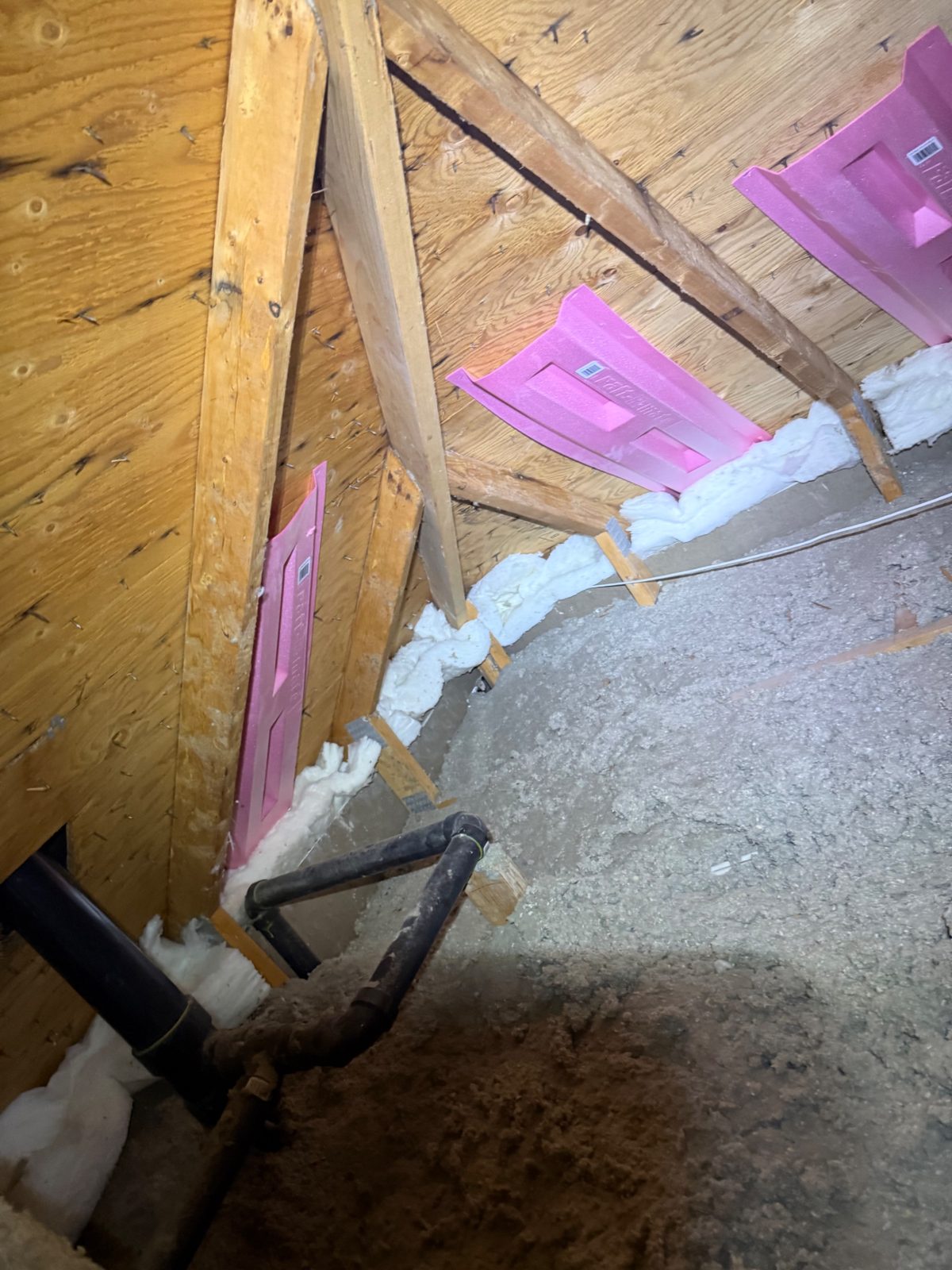
If your existing insulation is dry, clean, and free of mold and pests, the right job is usually a top-up: air-seal the ceiling penetrations, protect the soffit airflow with baffle vents, and blow new insulation over the old until the attic reaches today’s R-60 standard (about 21.5 inches). It is a one-day visit for most homes.
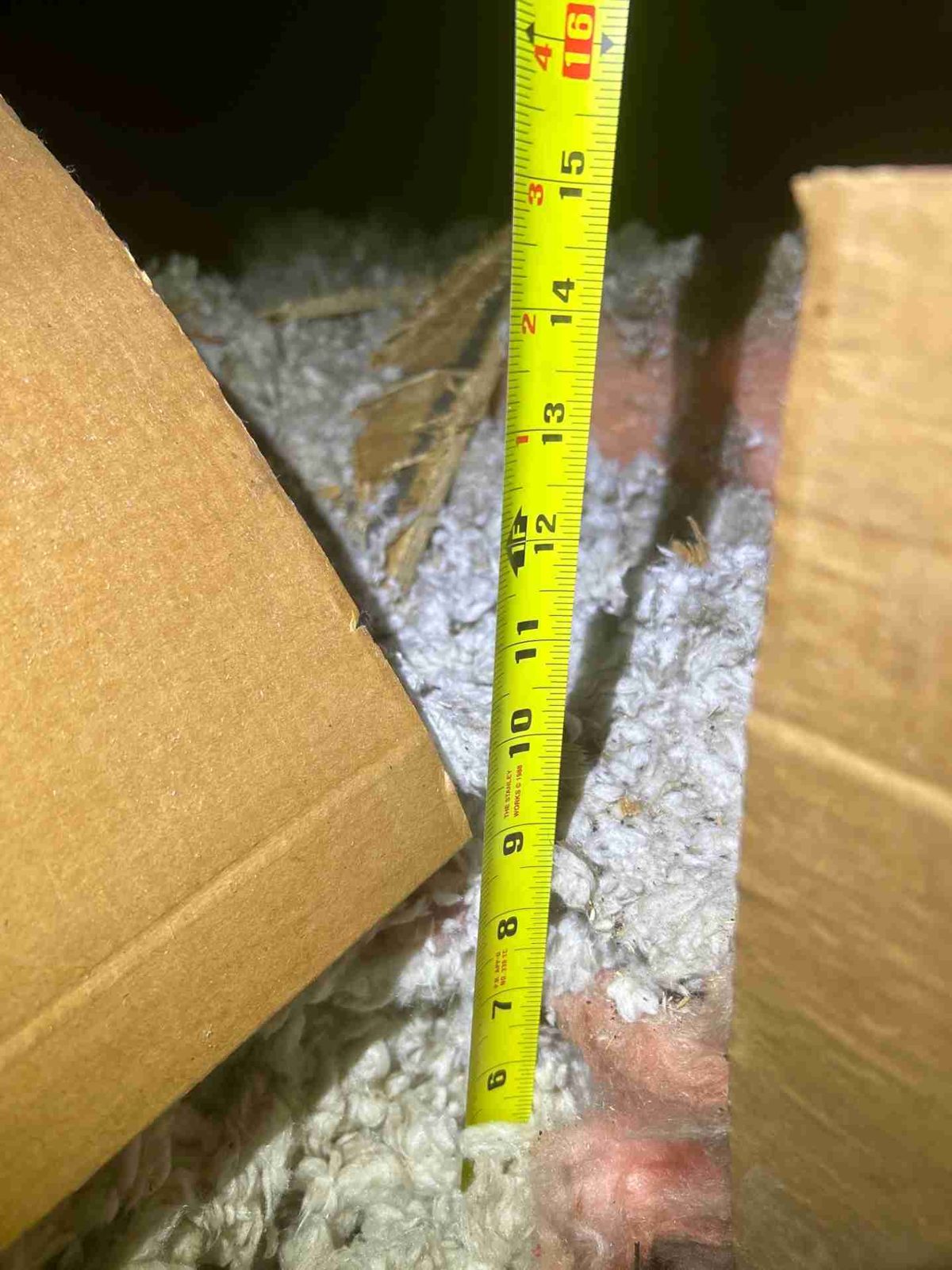
We documented exactly this on a Churchill Meadows top-up in Mississauga: the original cellulose had settled to 6–7 inches but was perfectly healthy, so removal would have been wasted money — and we said so. Air sealing, ten baffles, a hatch upgrade, and fresh fiberglass to R-60, in and out the same day.
2. The removal and rebuild
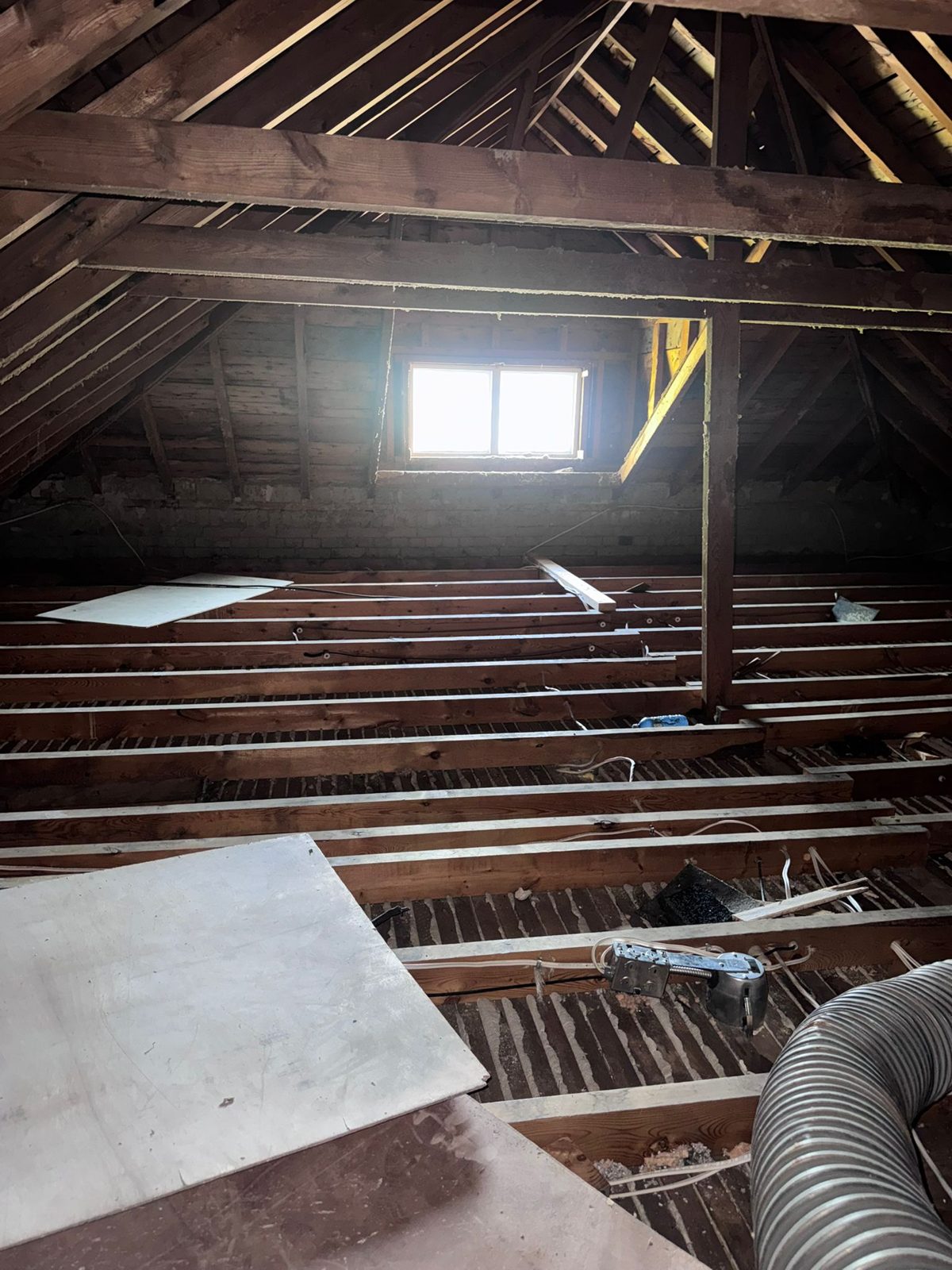
If the inspection finds mold, moisture damage, or animal contamination, new insulation over top would just bury the problem. The honest scope becomes: remove the old material, remediate what caused the damage, fix the source (very often a bathroom fan venting into the attic or blocked ventilation), air-seal, and rebuild to R-60.
Our Lawrence Park case study in Toronto shows the full version: 1,000 sq ft of decades-old insulation removed, 350 sq ft of moldy sheathing treated with a 3-stage remediation, closed-cell spray foam across the attic floor as a new vapour barrier, ventilation rebuilt, then blown to R-60. That is a multi-day project with disposal, remediation, and spray foam in the scope — a completely different price category from a top-up.
The five factors that actually drive your price
1. Attic size. Materials and blowing time scale with the footprint of your ceiling, so a 1,600 sq ft bungalow attic costs more than an 800 sq ft semi — though not proportionally, because every job carries fixed setup costs.
2. What is up there now. Current depth determines how much new material you need to reach R-60 — and whether the old material can stay at all. This is also what sets your rebate tier (more on that below).
3. Removal and remediation scope. Bagging out contaminated insulation, treating mold properly, and pest cleanup each add real labour and disposal cost. Beware of quotes that treat visible mold as something to just cover up.
4. Air sealing and ventilation work. Sealing pot lights, plumbing stacks, and duct penetrations, installing baffles, correcting exhaust fans that vent into the attic — the unglamorous work that makes the R-value perform. Quotes that skip it are cheaper for a reason.
5. Access and complexity. Tight hip roofs, knee walls, cathedral sections, and hatch rebuilds all add time. Older homes (we work on a lot of Toronto’s post-war housing) tend to have more of these.
What attic insulation actually costs in 2026
Every attic still gets a flat, written quote after a technician has physically been inside it — but you should not have to book an inspection just to learn the going rate. These are our current 2026 price-book rates across the GTA:
| Job type | 2026 rate | Typical 1,000 sq ft attic |
|---|---|---|
| Top-up to R-60 — existing insulation 4″ or deeper | $2.00 / sq ft | ≈ $2,000 |
| Top-up to R-60 — thin attic, under 4″ left | $2.30 / sq ft | ≈ $2,300 |
| Old insulation removal, bagged out + disposal included | $1.50–$1.70 / sq ft | $1,500–$1,700 |
| Full reset: removal + rebuild to R-60 | ≈ $3.80–$4.00 / sq ft | ≈ $3,800–$4,000 |
| 2″ closed-cell spray-foam vapour barrier (upgrade) | $3.50 / sq ft | priced by area treated |
| Ventilation & sealing add-ons (baffles, exhaust vents, hatch work) | $100–$700 per item | as scoped |
A worked example. A 1,000 sq ft bungalow attic sitting at R-10 takes the thin-attic rate: about $2,300. Starting at R-12 or less also puts it in the top rebate tier — $1,250 back — so the net cost lands around $1,050, roughly half the sticker price. The same attic needing a full reset (say, after a mold finding) runs closer to $3,800–$4,000 before any remediation scope, and remediation is always priced line-by-line, never bundled into a vague number.
Two caveats keep those numbers honest. Mold treatment and pest cleanup are scoped separately after the inspection — contamination ranges from one damp corner to a full attic, and pretending one price covers both would be a guess. And unusually complex attics (tight hip roofs, knee walls, cathedral sections) can add labour time, which is exactly why the final quote is written after someone has been up there.
What we can promise about a Confirmed quote: it comes after a technician has physically been in your attic, it is flat and in writing, it shows you photos of what we found, and if a top-up is all you need, a top-up is what we quote.
How the rebate changes the math
Ontario’s home energy rebate program pays homeowners for insulating an under-insulated attic to R-50 or better — and for attic-only projects, no home energy assessment is required. The amounts are tiered by what you start with:
- Attic currently at R-12 or less: up to $1,250
- Attic currently R-12 to R-25: up to $1,000
- Attic currently R-25 to R-35: up to $800
For many older homes, that covers a meaningful share of a top-up. We confirm your exact tier during the free assessment and file the paperwork for you — see how the attic rebate works for the full picture.
The bottom line
The cost question is really a scope question: healthy attic or contaminated attic, and how much of the sealing-and-ventilation work is included. Get an inspection with photos before you compare numbers — otherwise you are comparing guesses.
Wondering what’s in your attic?
A free, no-obligation inspection with photos of everything we find — and a straight answer, even if that answer is “your attic is fine.”
Common questions
Is a top-up cheaper than removal and replacement?
Does the rebate apply to any attic insulation job?
Why do quotes vary so much between companies?
Ali has spent 6 years in GTA attics — inspecting, sealing, and insulating them — and writes from what the crews actually find.