

Is Mold in Your Attic Dangerous? What We Actually Find in GTA Attics
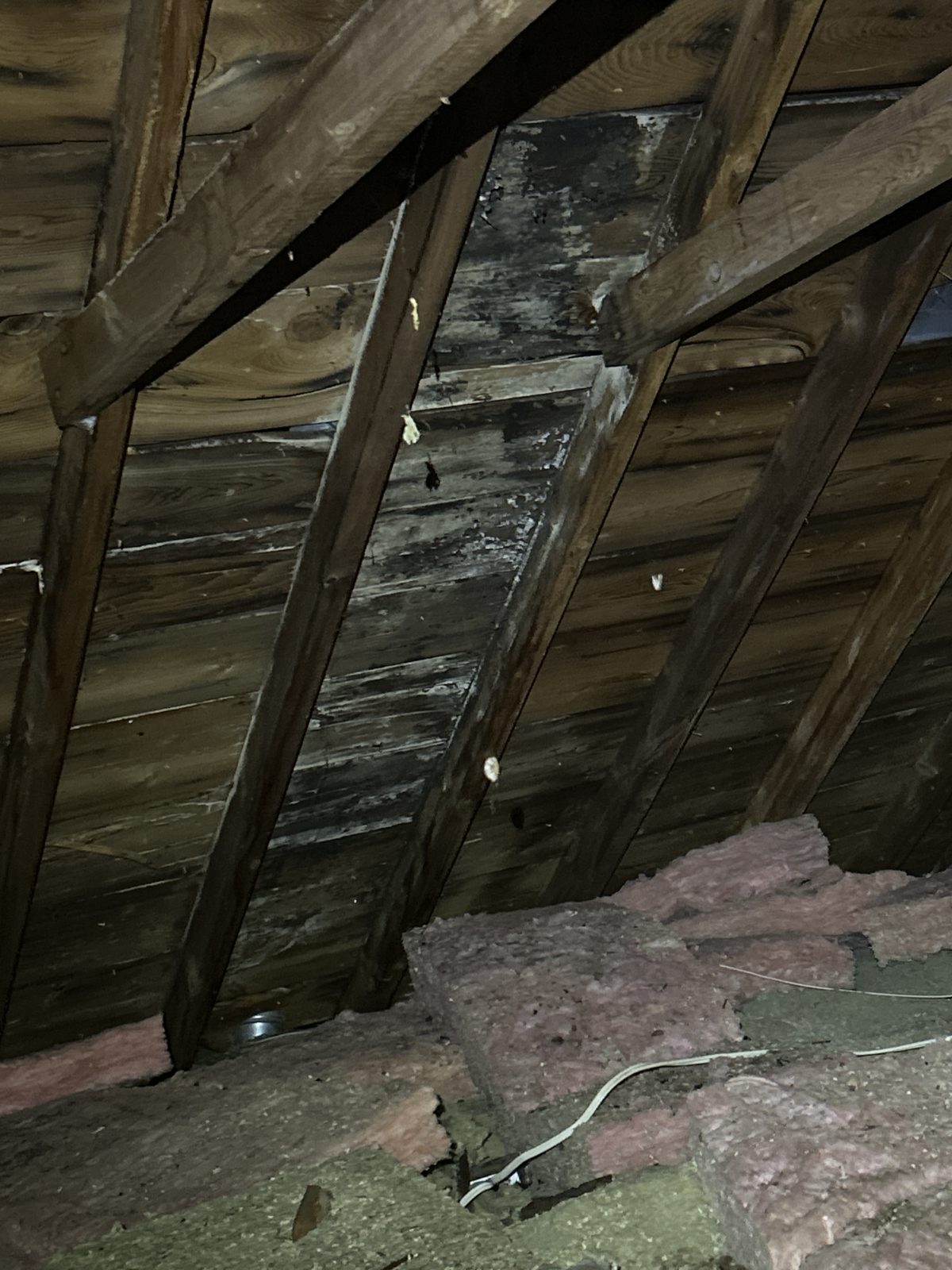
Most attic mold is discovered by accident — a home inspector during a sale, a roofer replacing shingles, or one of our technicians during a free insulation assessment. The homeowner almost never knew. If that just happened to you, here is a straight answer to the question you are actually asking: how bad is this?
The honest risk picture
Attic mold is primarily a building problem before it is a health problem. It grows on the cold side of your ceiling, and unless attic air is flowing down into your living space, most households are not breathing it directly. But — and this is the part that matters — the conditions that grow attic mold are the same conditions that rot roof sheathing, ruin insulation, and eventually put attic air in contact with house air. And in older homes with no vapour barrier and a leaky ceiling, attic air does mix with house air.
We saw exactly that on a Lawrence Park project in Toronto: the family called about a persistent musty smell on the second floor. The attic had no vapour barrier anywhere, so the smell of 350 sq ft of mold-stained sheathing was drifting straight down into the bedrooms. Mold you can smell is mold you are living with.
Why GTA attics grow mold
Mold needs moisture, and attics get theirs from two directions:
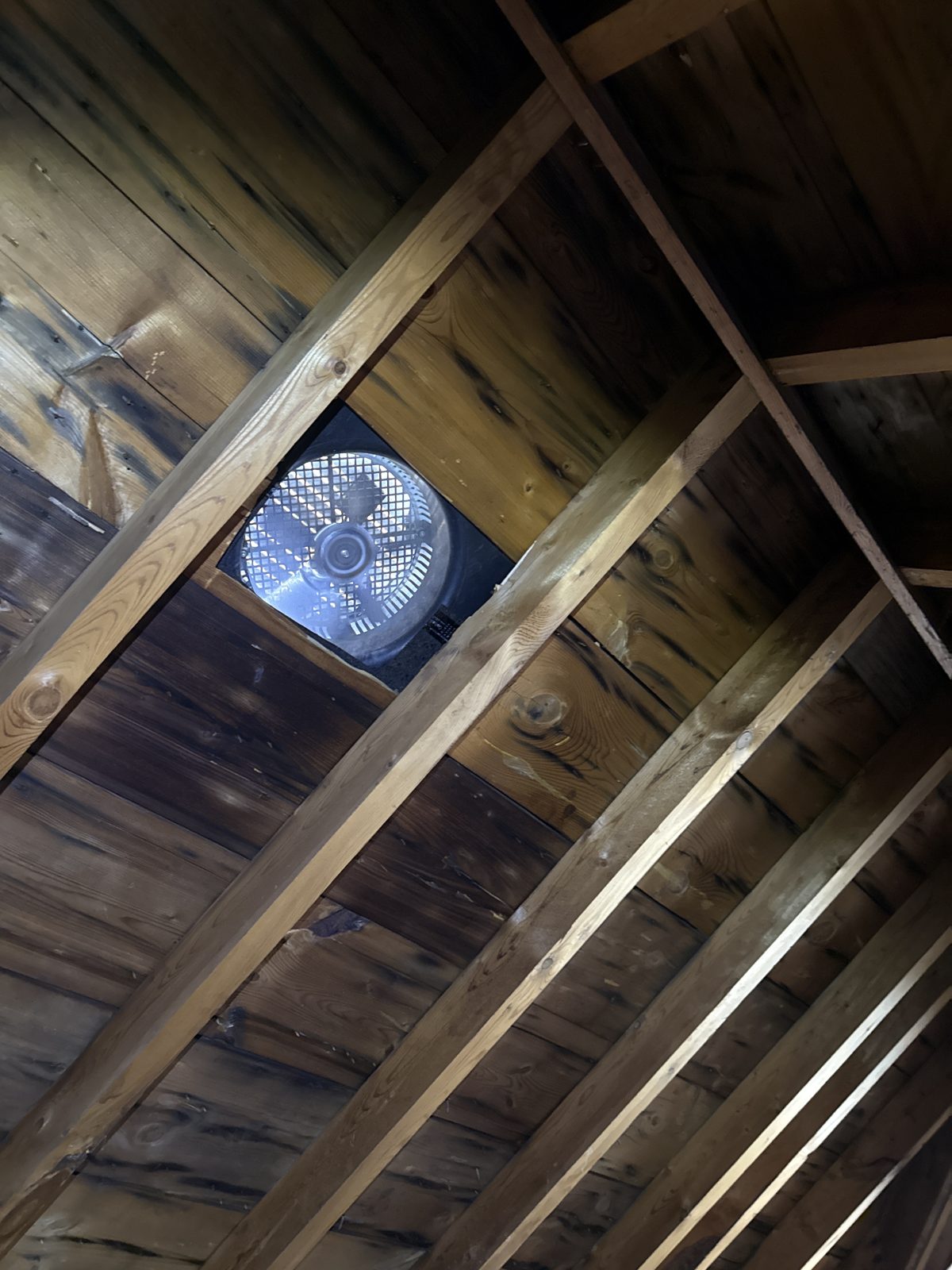
From inside the house. Warm, humid indoor air escapes through every unsealed ceiling penetration — pot lights, plumbing stacks, fan housings, hatch edges — and condenses on the cold roof sheathing all winter. Worse, a shocking number of bathroom fans vent directly into the attic instead of outside; we find this constantly, and it is like running a humidifier in your attic every shower.
From dead airflow. Attics dry themselves through soffit-to-ridge ventilation. When soffits are blocked (paint, renovations, insulation pushed into the eaves), moisture has no exit. On a Cliffside bungalow in Scarborough, blocked intake had left the attic with essentially no airflow — and mold staining across virtually the entire roof deck.
The early signs (in order of how often we see them)
- A musty smell upstairs with no visible source — the single most common tip-off.
- Dark staining on the roof boards visible from the attic hatch, especially around bathroom fans and at the north-facing slope.
- Frost on the underside of the roof on cold mornings — that frost melts and soaks the wood daily.
- Matted, damp, or discoloured insulation under the affected sheathing.
- Ice dams every winter — a sign of the same warm-air leakage that feeds condensation.
What proper remediation looks like (and what to avoid)
Painting over attic mold with a stain blocker — which is what some companies quietly quote — hides the evidence and fixes nothing. A proper job treats the mold and removes its cause:
- Stage 1: clean. Botanical cleaning and physical spore removal from the affected sheathing.
- Stage 2: restore. Treating the wood so it is sound and its appearance is brought back.
- Stage 3: seal. A protective salt-based sealant that resists regrowth.
- Then fix the cause: re-route any exhaust fan to the exterior, open the intake ventilation with baffles, air-seal the ceiling — and only then rebuild the insulation to R-60.
On the Lawrence Park job, that meant remediating the sheathing, adding a dedicated roof vent for the bathroom exhaust, spray-foaming the attic floor as the vapour barrier the house never had, and blowing to R-60. The musty smell disappeared because the cause disappeared.
Should you test the mold?
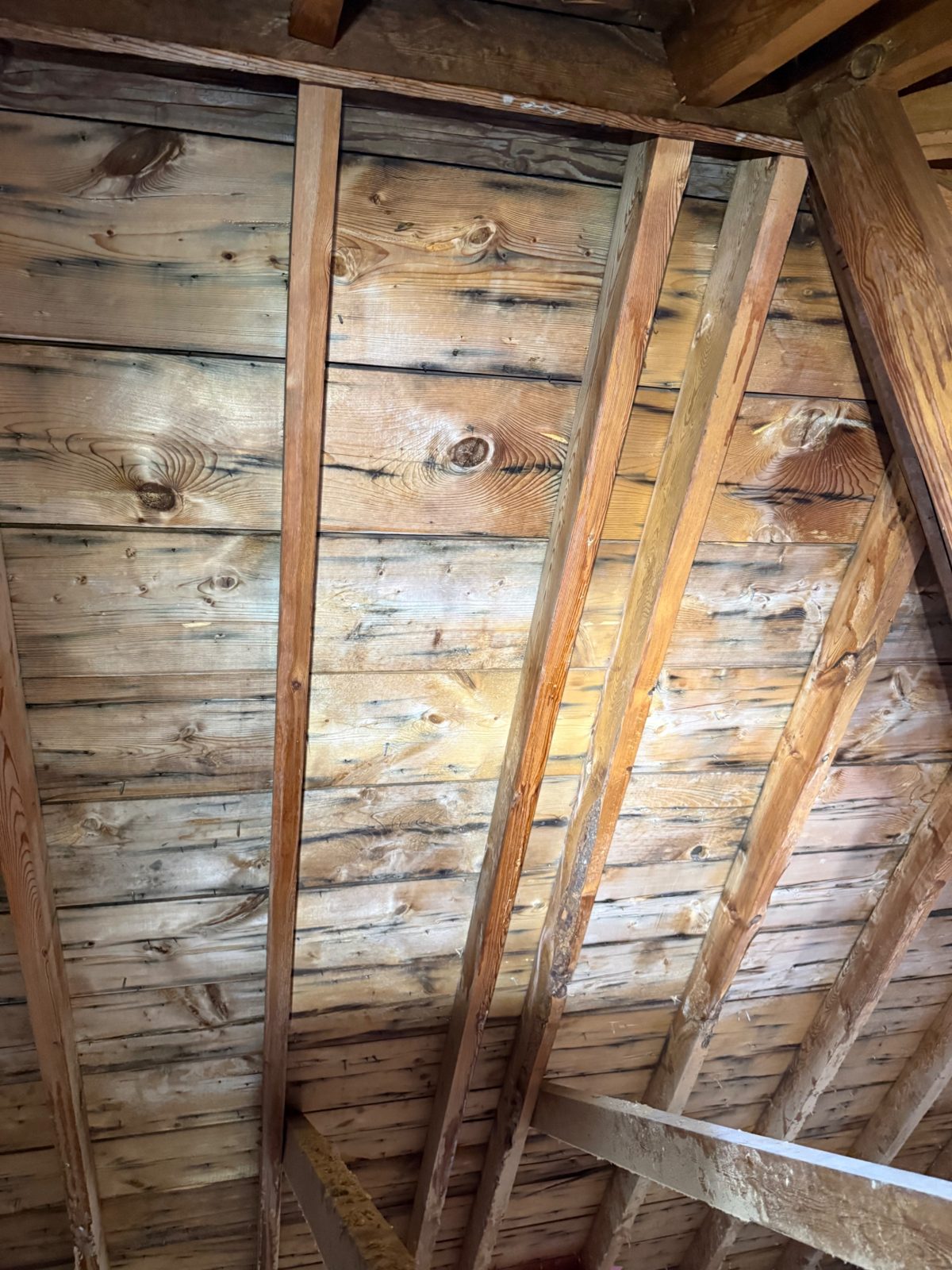
For a typical attic situation, species testing rarely changes the plan: any significant mold on sheathing needs the same remediation and the same cause-fix. Spend the money on fixing the moisture source instead. (If someone in the home is immunocompromised or you are in a real-estate dispute, testing can have its place — your call.)
Winter is when it grows — and when you can catch it
Attic mold in our climate is mostly a cold-season phenomenon: the roof sheathing is cold from November to March, and every gram of household moisture that sneaks up through the ceiling condenses on it. Summer gives the attic a chance to bake dry — which is why homeowners who peek in July often see “just some staining” and assume it is historical. Sometimes it is. But staining plus any of the moisture sources above means the cycle will run again this winter, a little worse each year. A cold-morning look (or a proper inspection) tells you whether the problem is active: frost or beads of condensation on the nails and sheathing are the giveaway.
What it means when you are buying or selling
Attic mold has become one of the most common flags in GTA pre-purchase inspections — inspectors photograph the sheathing as a matter of routine now. If you are selling, discovering it two days before listing is the worst version of this story; remediating it properly beforehand, with photos of the work and the corrected moisture source, converts a buyer’s-leverage problem into a demonstration that the house has been looked after. If you are buying and the inspection flags it, the right ask is not just “clean it” — it is remediation plus the cause-fix, because staining that reappears next winter was never actually fixed.
If you suspect it, look — or let us look free
Attic mold caught early is a contained, fixable problem. Caught late, it is sheathing replacement and a full rebuild. A free inspection settles it with photos either way — and if your attic is clean, that is exactly what we will tell you. Browse the case studies to see what the process looks like on real homes, including across Toronto.
Wondering what’s in your attic?
A free, no-obligation inspection with photos of everything we find — and a straight answer, even if that answer is “your attic is fine.”
Common questions
Is black mold in the attic worse than other mold?
Will attic mold stop me from selling my house?
Can I just spray the mold myself?
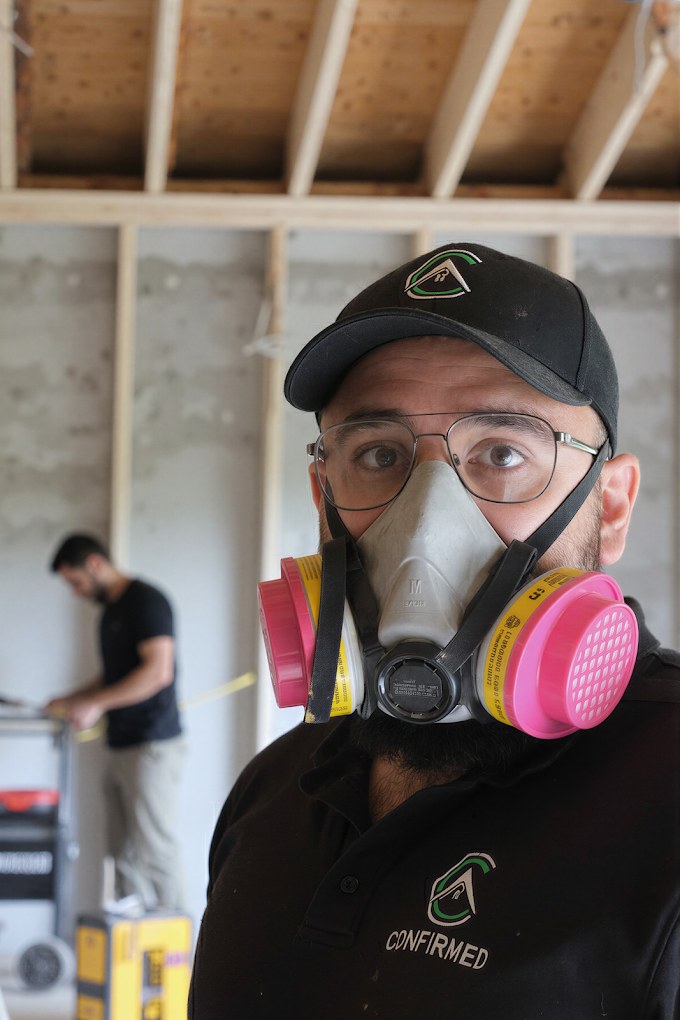
Ali has spent 6 years in GTA attics — inspecting, sealing, and insulating them — and writes from what the crews actually find.
Found staining or a musty smell upstairs? Our attic mold remediation service treats the cause, not just the stain — free inspection with photos, across the GTA.